Physical Address
304 North Cardinal St.
Dorchester Center, MA 02124
Physical Address
304 North Cardinal St.
Dorchester Center, MA 02124

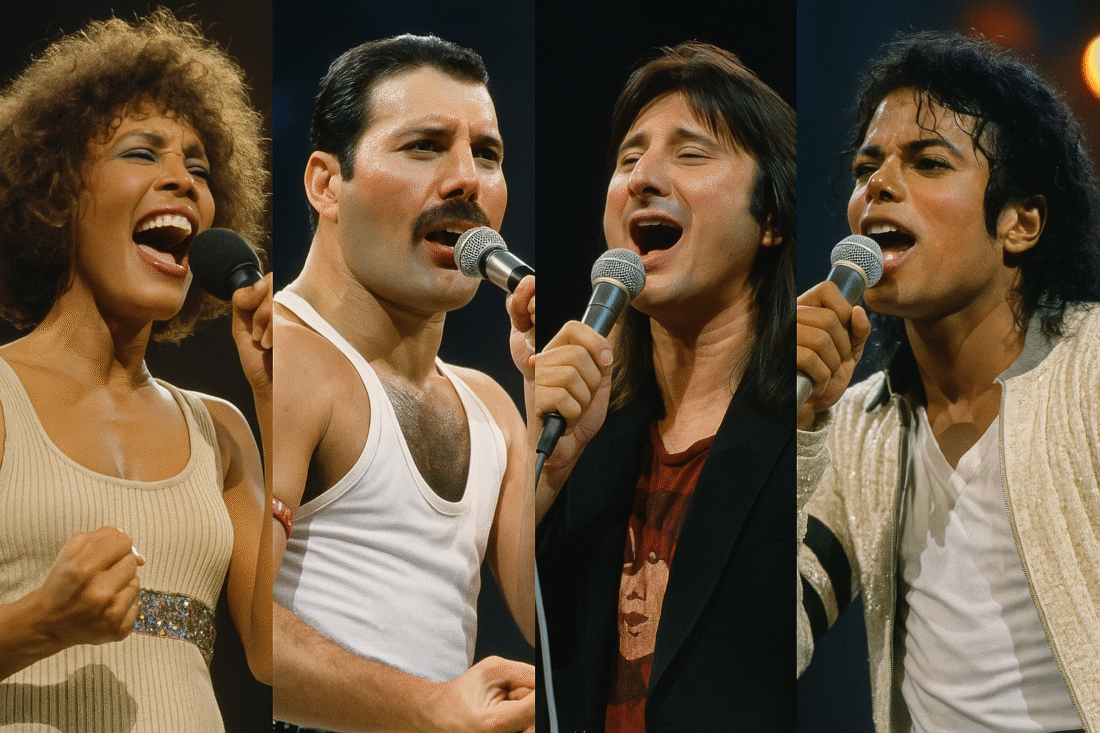
Choosing the right microphone is crucial for belters and high-frequency singers because it directly affects vocal quality. Their powerful, higher-register sound requires a mic that can capture brightness and nuance. They also face challenges like managing feedback and avoiding distortion. A microphone with a flat or slightly boosted high-frequency response helps their voice stay clear and present. Poor frequency response can cause vocals to sound dull and less impactful.
Mic sensitivity is also important because belters need both detail in soft moments and clarity in loud passages. Dynamic microphones are durable and handle high sound pressure levels well, making them ideal for live performances. Condenser microphones capture more detail, making them a strong choice for studio environments. Understanding these options helps singers choose a mic that complements their vocal style. With the right microphone, belters can showcase their full power and artistry in any setting.
For high-frequency singers and belters, selecting the right microphone is paramount to achieving optimal sound quality and vocal clarity. The following list presents some of the best microphones tailored specifically to the needs of belters, considering essential features such as frequency response, polar patterns, and intended use.
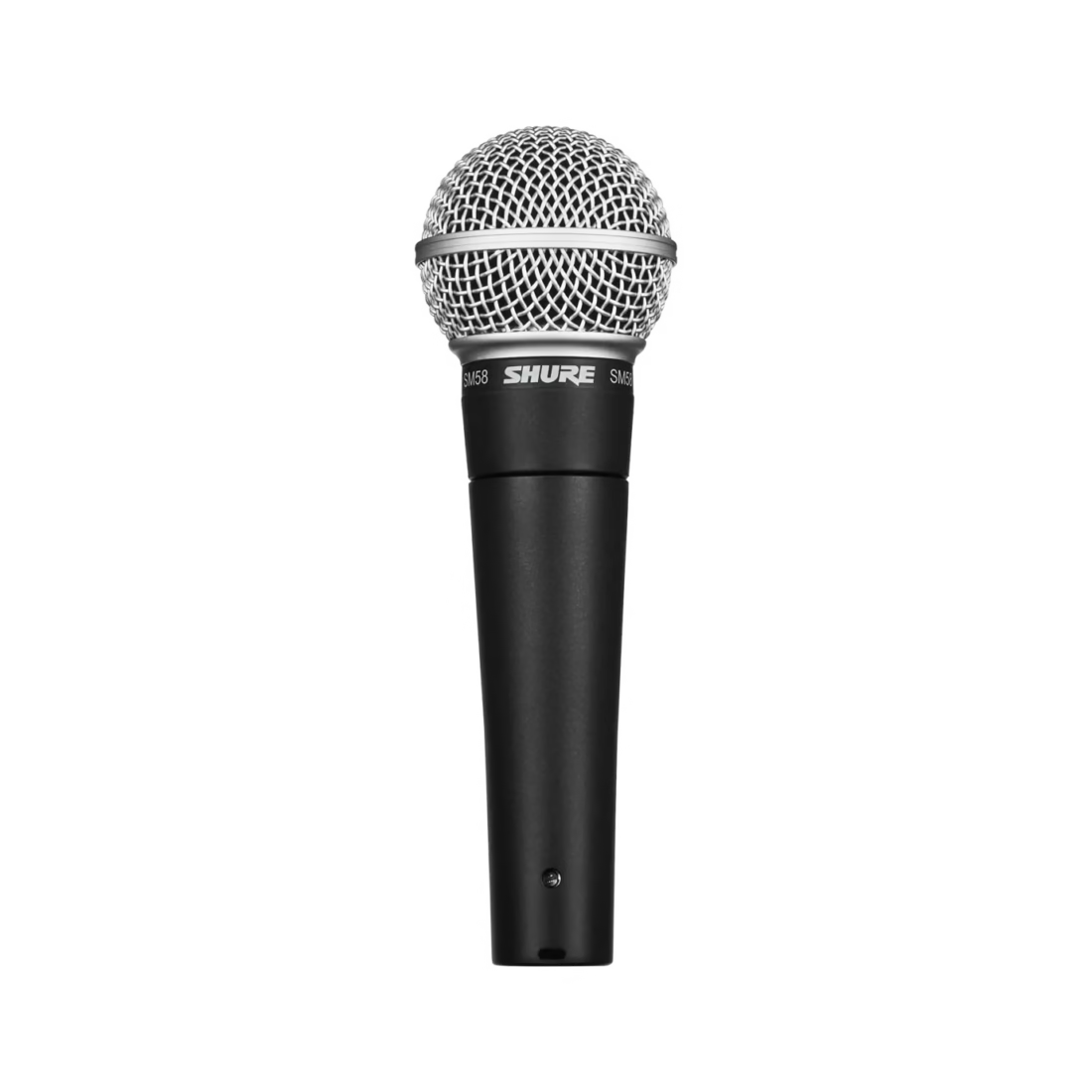
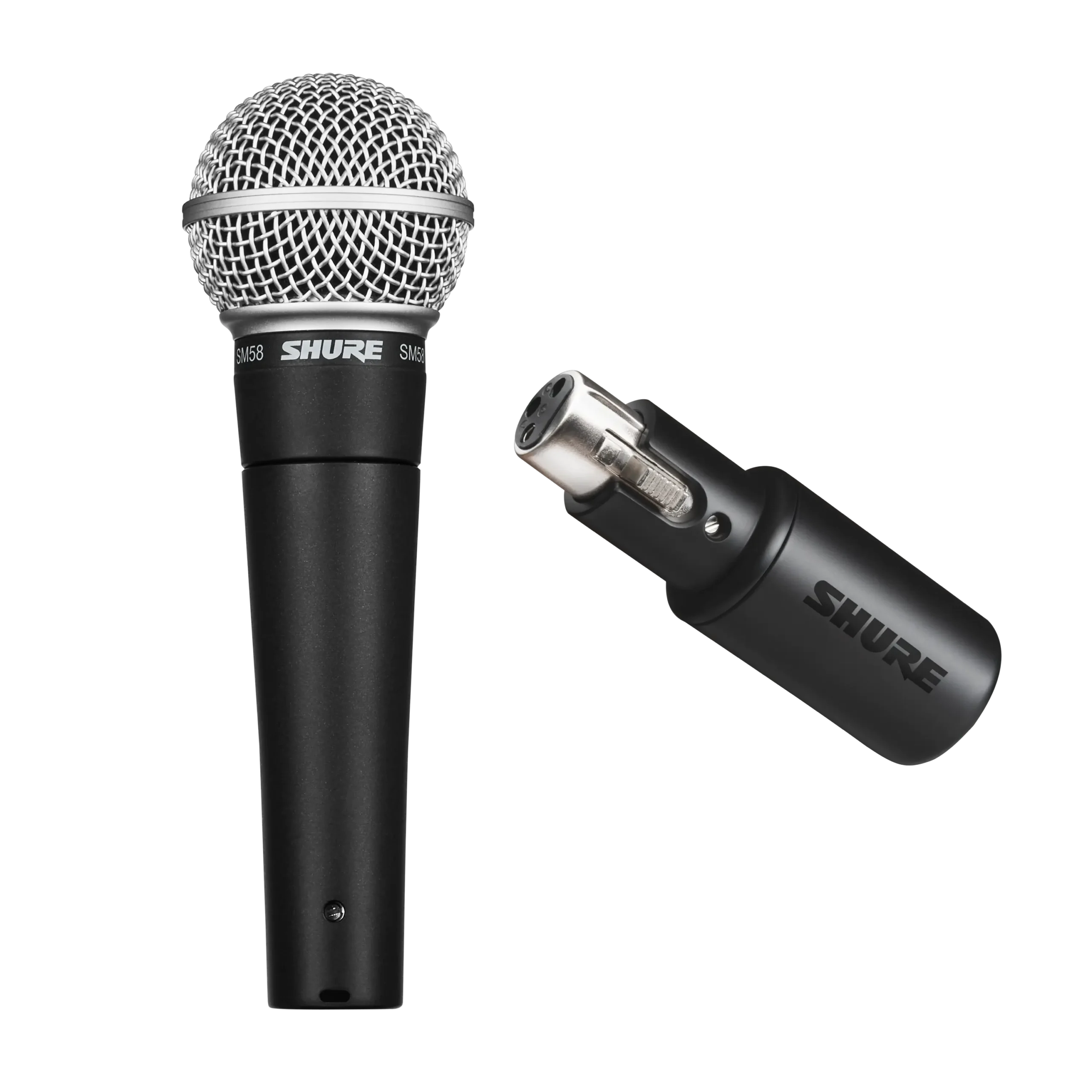
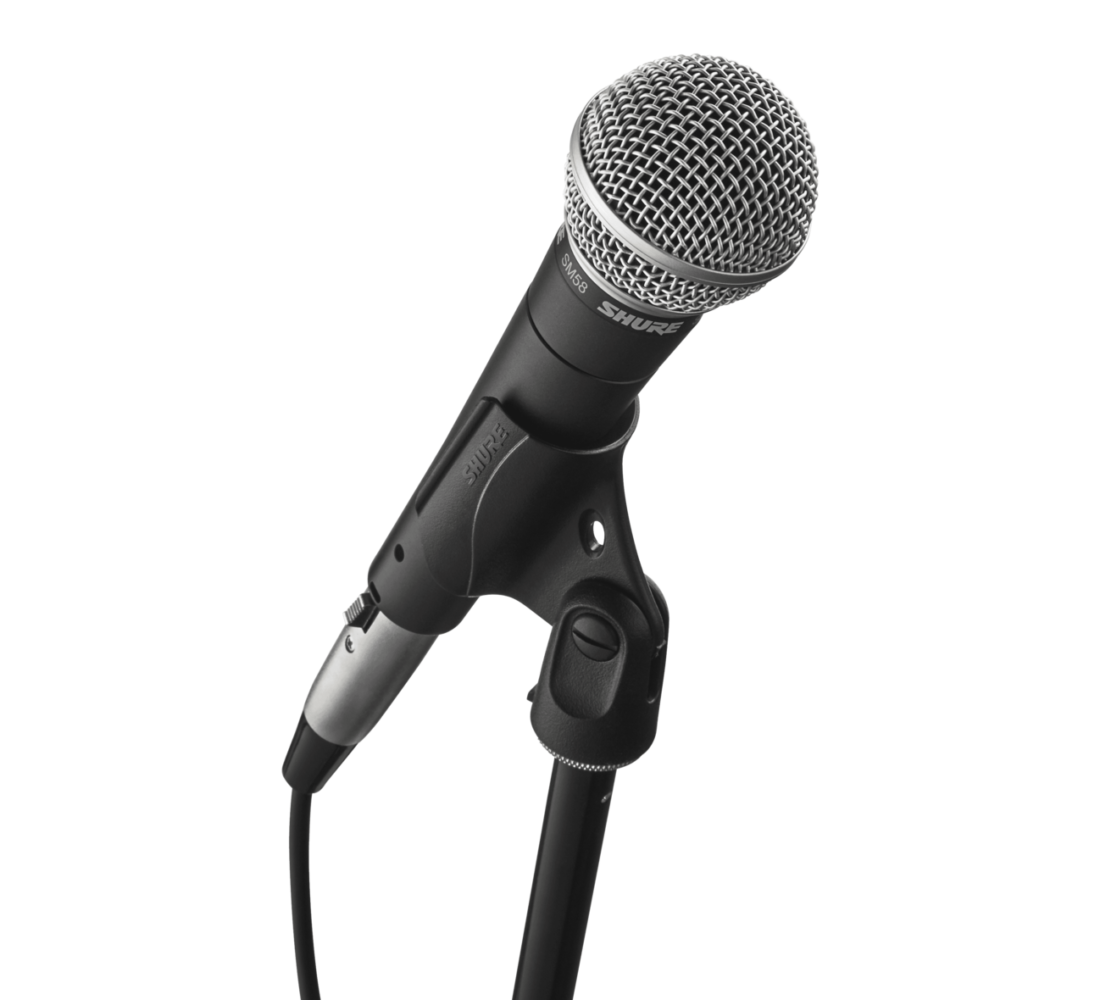
Shure SM58
The Shure SM58 is a legendary, industry standard, dynamic microphone renowned for its robust construction and reliability. The cardioid polar pattern effectively isolates the singer’s voice, minimizing background noise. It is ideal for live performances, making it a favorite among belters. With a frequency response range of 50Hz to 15kHz, it captures the warmth of lower frequencies while excelling in higher pitch ranges.
Rode NT1
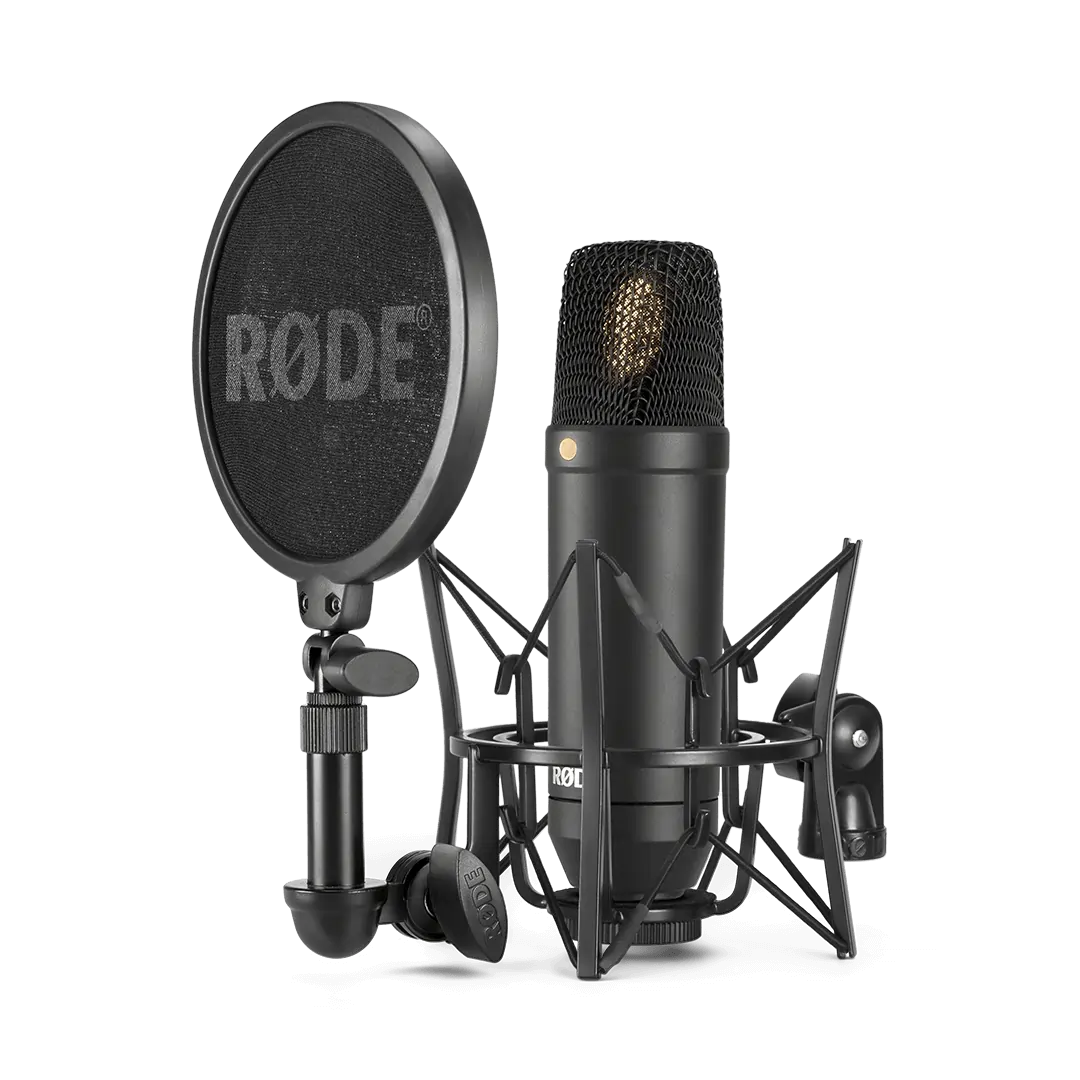
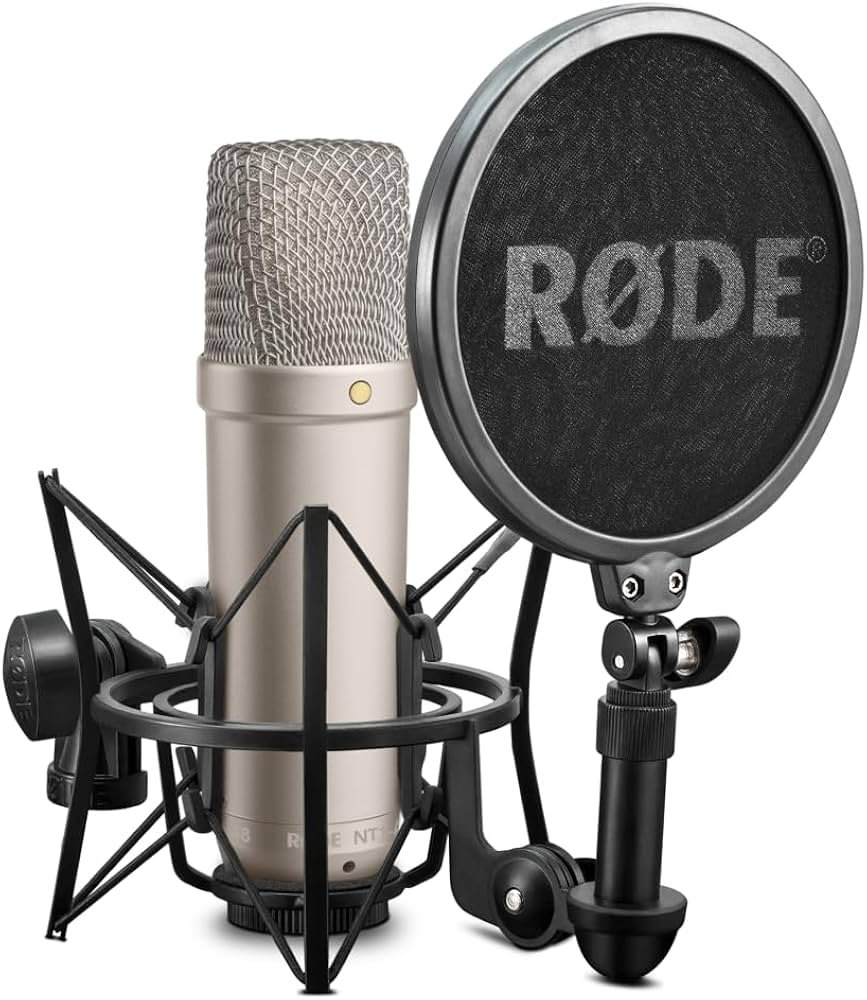
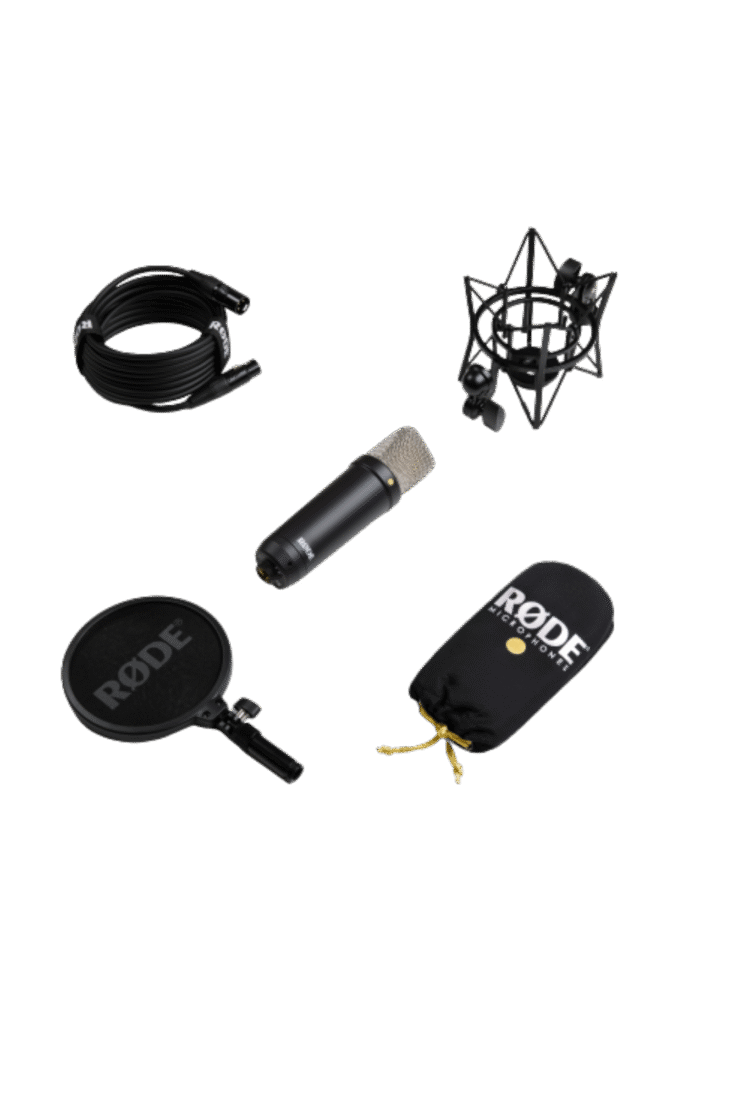
A highly regarded Large-diaphragm studio condenser microphone known for its exceptionally low self-noise, warm and clear sound, and versatility for vocals, instruments, and podcasts. With a frequency response of 20Hz to 20kHz, this condenser microphone excels in capturing the intricate details of a belter’s voice. The cardioid polar pattern ensures that off-axis sounds are attenuated, allowing for clear vocal recordings free from unwanted noise. The modern 5th Gen version of this product offers hybrid XLR/USB connectivity, built-in DSP, and revolutionary 32-bit float digital audio for unparalleled dynamic range, making it a reliable workhorse for home studios and professionals alike.
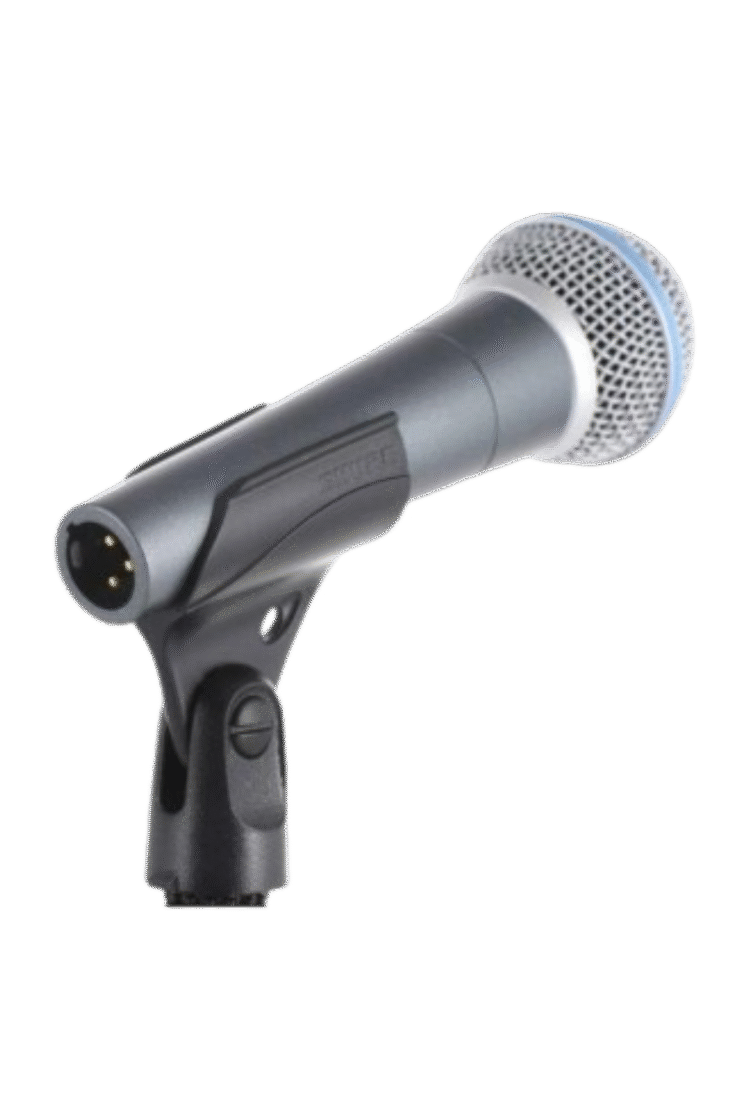
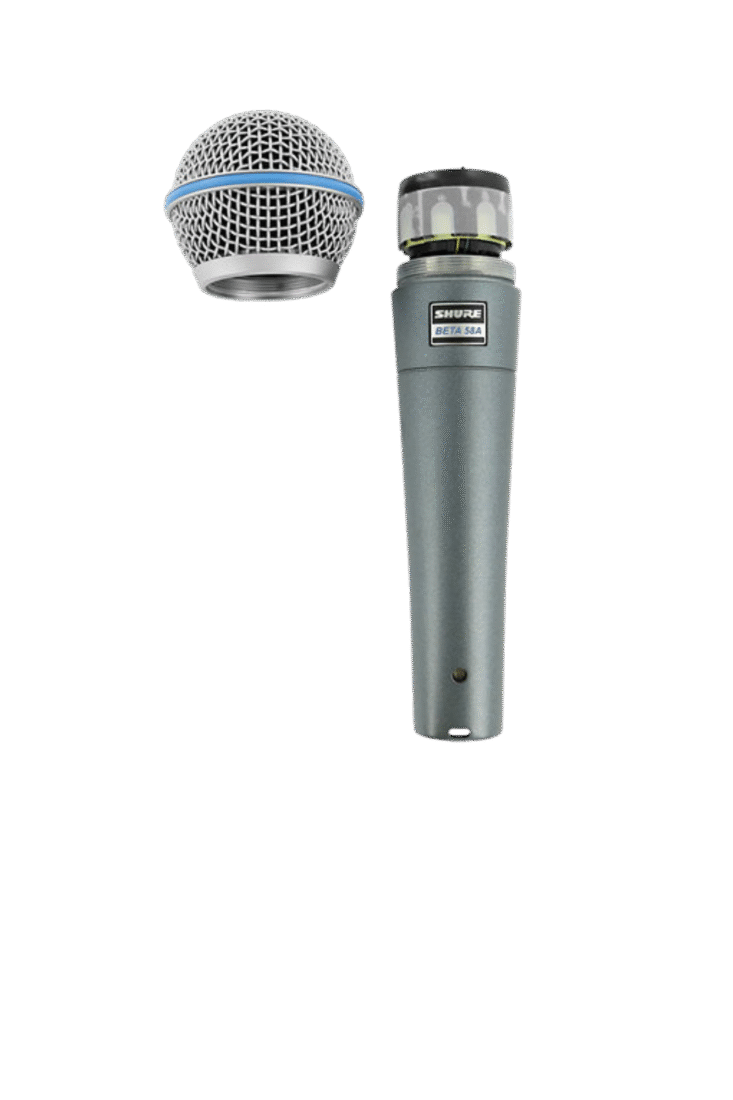
Shure beta 58A
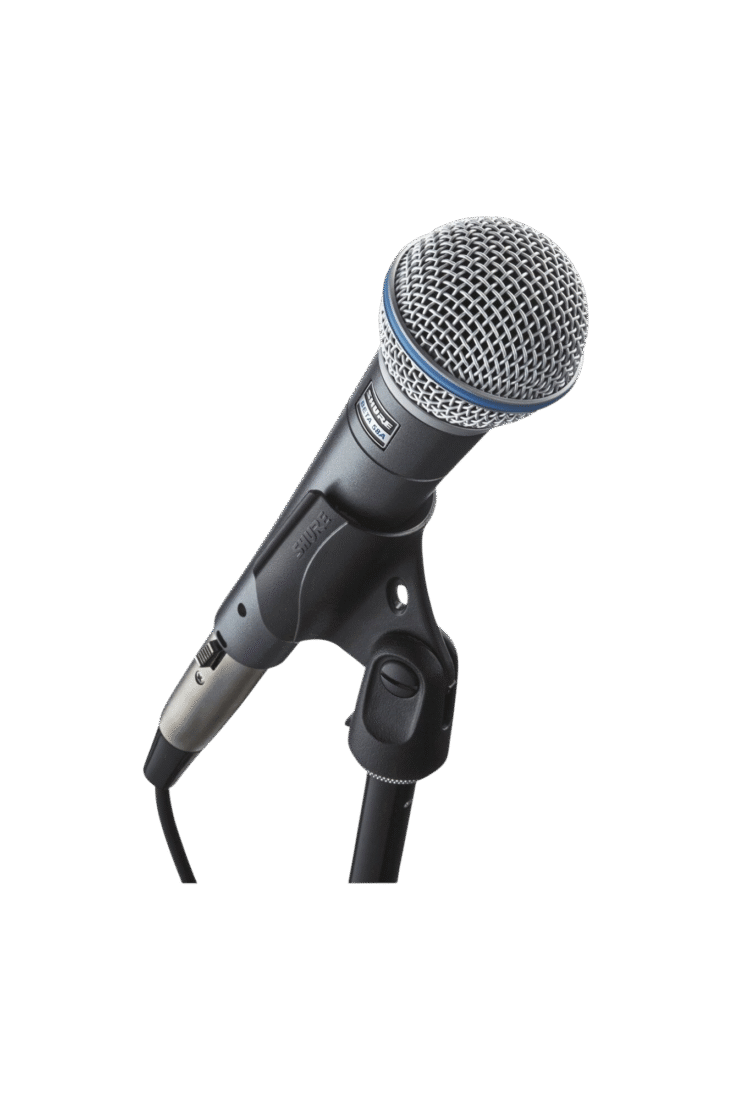
Shure Beta 58A is a high-output, rugged, super cardioid dynamic microphone widely regarded as an industry standard for professional live vocals. High-frequency boost around 4–9 kHz adds sparkle and presence It is engineered to provide a clear, detailed, and present sound that cuts through a busy mix on stage. Handles very high SPL without distortion (shouting, belting, growls)
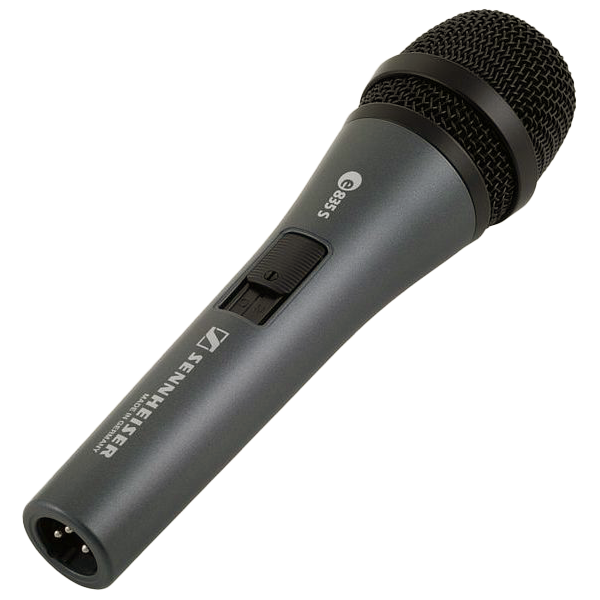
Sennheiser e835
The e 835 is a lead and backup vocal stage mic engineered to perform under pressure, delivering consistent sound with a tight cardioid pattern that keeps your voice clear and up front — even when you move off-axis. It is known for its ability to cut through high on-stage volume levels and provide consistent, clear sound.
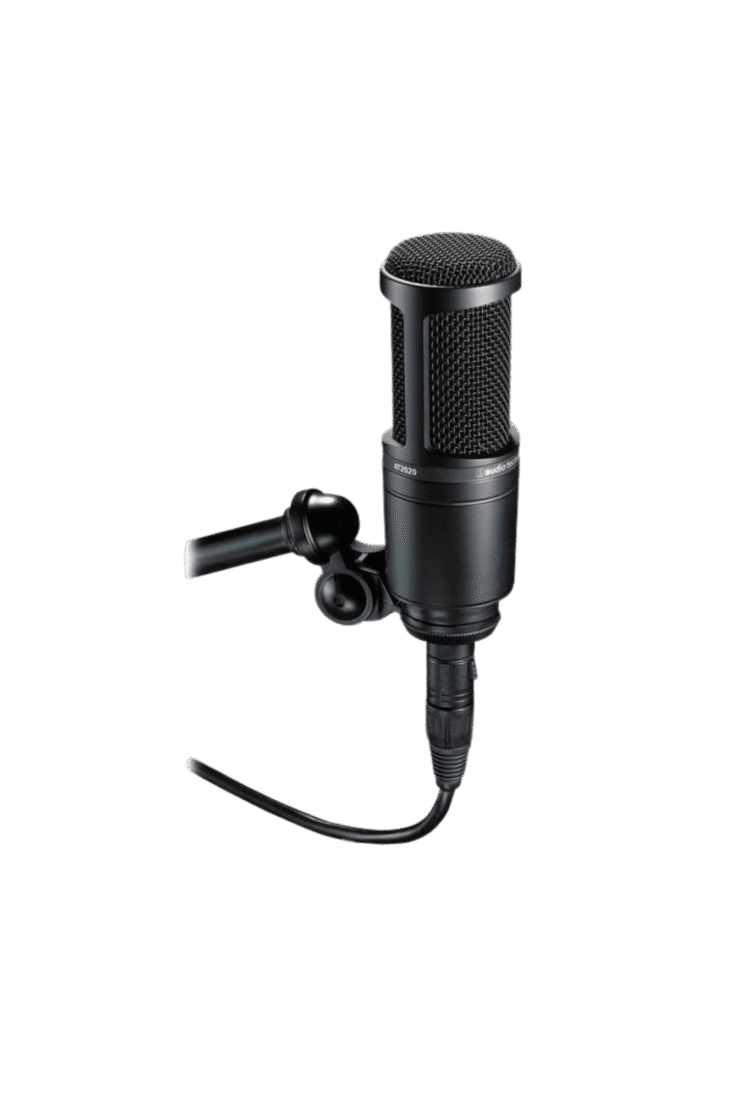
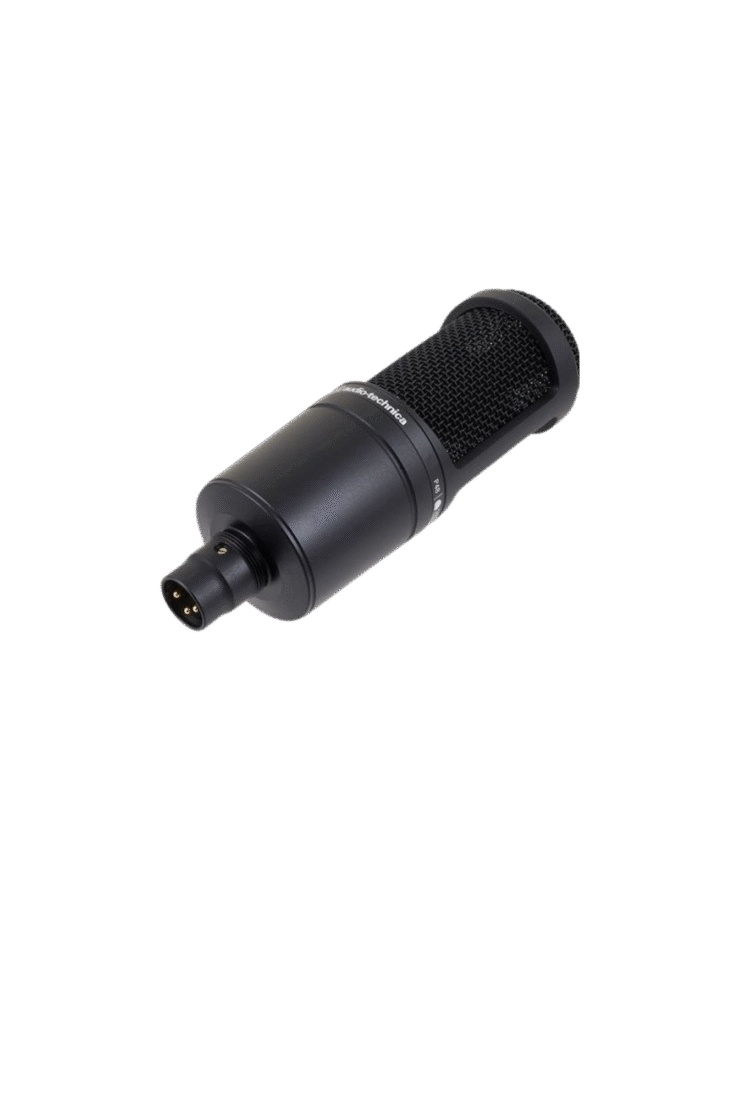
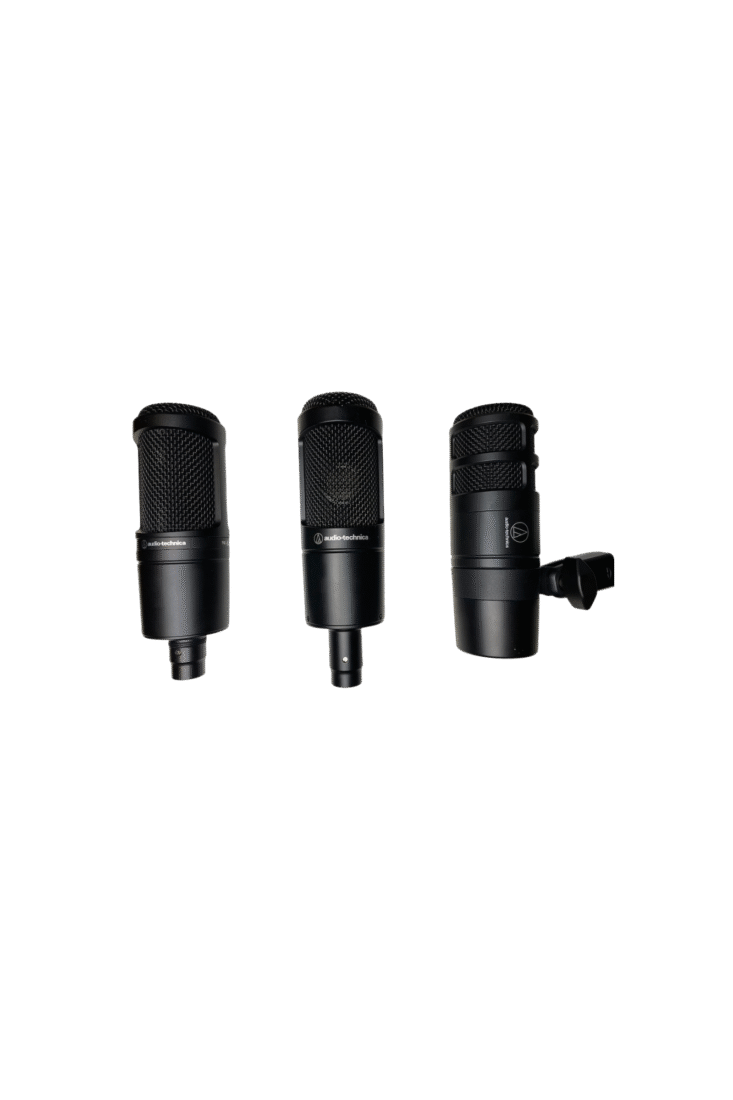
Audio-Technica AT2020
Designed for studio use, the Audio-Technica AT2020 is a large diaphragm condenser microphone that offers high sensitivity and a broad frequency response of 20Hz to 20kHz. Its versatility makes it suitable for recording various vocal styles, especially powerful singing techniques. The AT2020 features a cardioid polar pattern, which helps to reduce ambient noise, ensuring vocal clarity in any recording environment.
When selecting the ideal microphone for high-frequency singing, it is essential to examine the performance characteristics of various options. In this analysis, we will consider a range of microphones tailored to meet the demands of high-pitched vocals, focusing on sound quality, feedback rejection, durability, and user experience.
The Shure SM58 is a widely recognized microphone known for its robust construction and excellent sound quality. Its cardioid pickup pattern effectively rejects ambient noise and feedback, making it a reliable choice for live performances. However, while it excels in stage settings, it may require additional fine-tuning in studio environments to capture the true nuances of a high-frequency vocal performance.
The Sennheiser e935, with its advanced feedback rejection capabilities, stands out as another excellent microphone for performers. This model is specifically designed to deliver high-quality sound reproduction while minimizing feedback, making it a favored choice for belting artists in both live and studio situations. Nevertheless, its slightly heavier design may be a consideration for some users during prolonged performances.
Lastly, the Rode NT1A offers remarkable sensitivity and a warm tonal quality that enhances vocal clarity in controlled environments, such as studios. Its low self-noise level allows for the capturing of intricate vocal details, making it perfect for high-frequency singers. However, in louder live settings, it can be prone to feedback, requiring careful placement and monitoring during use.
Each microphone provides distinct advantages and limitations, helping high-frequency singers determine which device aligns best with their performance environment and stylistic needs. Ultimately, assessing these factors will ensure a well-informed decision that enhances vocal delivery and overall sound quality.
In closing, selecting the right microphone is crucial for belters and high-frequency singers. Throughout this guide, several key aspects have been highlighted to assist in making an informed decision when it comes to microphone selection. Understanding one’s vocal style and range forms the foundation of this process, as different microphones can either enhance or hinder a singer’s performance. It’s essential to choose a microphone that complements the distinct qualities of a belter’s voice, ensuring that clarity and power are maintained during performance.
Considering the sensitivities of high-frequency vocals, microphones that offer a balanced frequency response are strongly recommended. Models like the Shure SM7B and the Audio-Technica AT2020 shine in this respect, providing a crisp sound that is both articulate and powerful. Moreover, condenser microphones tend to excel in capturing the nuances of a singer’s range, making options such as the Neumann TLM 102 a favorable choice for many belters. Additionally, vocal technique and performance settings play a significant role in the effectiveness of a microphone. Whether in a studio setting or on a live stage, assessing the acoustic environment is paramount for maximizing sound quality.
As you consider the options available, it is beneficial to test the microphones in person, if possible. Personal experience with each model can greatly influence one’s final choice. We encourage readers to reflect on their unique vocal techniques and environments while weighing the recommendations provided.
Lastly, we invite you to share your experiences with microphones or raise any questions you may have regarding the selection process. Engaging with others in the community can offer valuable insights and contribute to a richer understanding of which microphones may best suit your high-frequency singing needs.