Best microphone (dynamic or condenser) for podcasting!

our guide to help you buy the best microphone to podcast with.

– [ ]
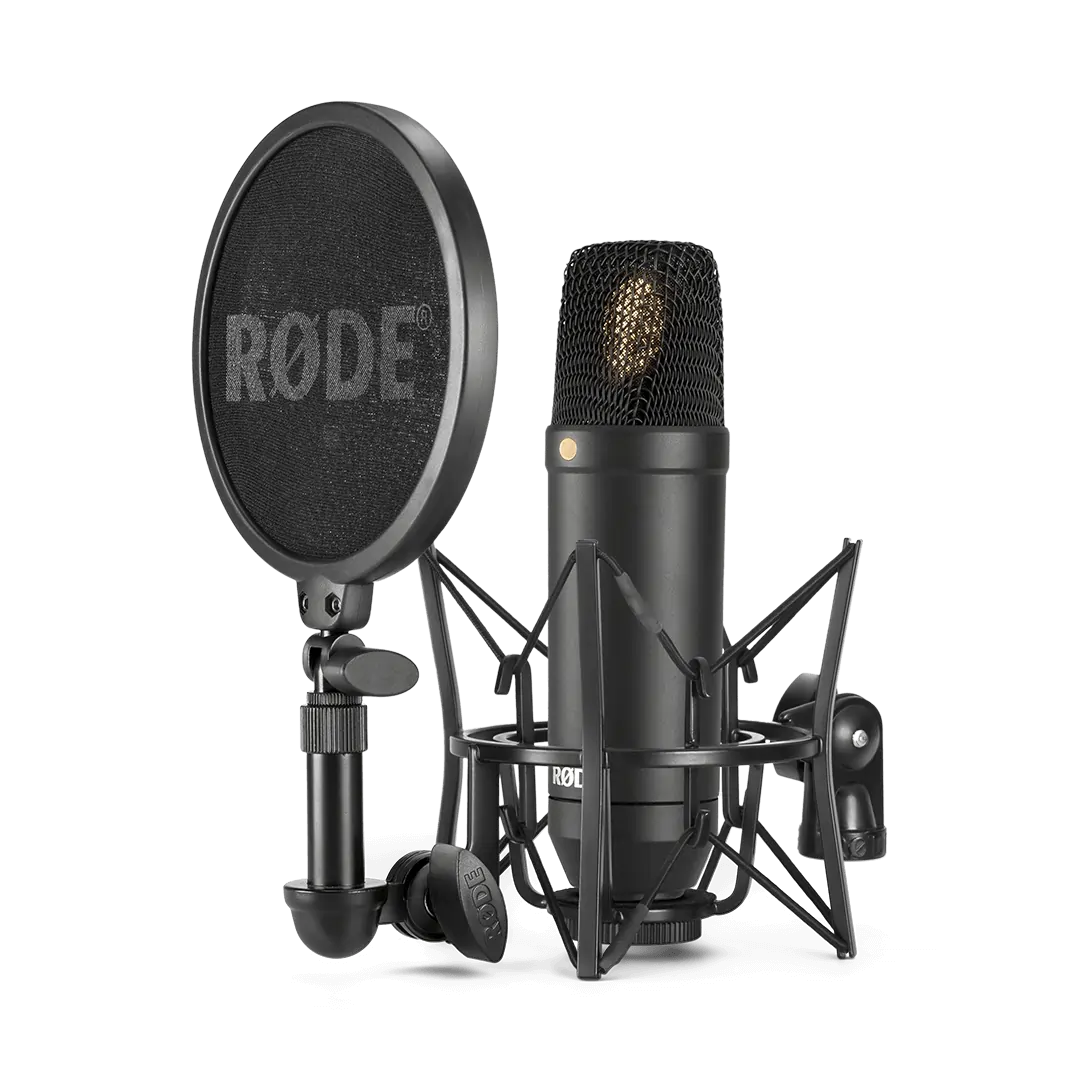
2. RØDE NT1 (5th Gen)

Why It’s Great for Podcasting:

  • Dual connectivity (USB-C + XLR) — plug straight into a laptop today, then move to an interface or mixer later without changing mics.
  • “Unclippable” 32-bit float over USB (up to 192 kHz) — huge headroom that saves blown takes if a guest gets loud.
  • Ultra-low self-noise (4 dBA) — among the quietest studio condensers, so your voice stays clean. 
  • Built-in DSP with APHEX® processing — optional compressor, HPF, noise gate, Aural Exciter™, and Big Bottom™ for a polished, broadcast-style tone via RØDE’s apps. 

Key Specs:

  • Type: condenser
  • Polar Pattern: Cardioid
  • Frequency Response: 20 Hz – 20 kHz
  • Impedance: 100 ohms
  • Connectivity: XLR (analog, 48 V phantom) and USB-C (digital). 
  • Special Features: 32-bit float USB recording (up to 192 kHz), on-board Revolution Preamp™, APHEX® DSP suite (via RØDE Central/Connect). 

RØDE NT1 (5th Gen)

9.3 out of 10

Meet the RØDE NT1 (5th Gen): a studio-grade condenser that plugs in via USB-C or XLR, so it grows with your setup from laptop to pro interface. Its ultra-low self-noise and “unclippable” 32-bit float capture deliver rich, broadcast-ready vocals—even when guests get loud. Add the built-in APHEX® processing and you’ve got a polished podcast sound straight out of the box.

DL NB
10 out of 10
Reason this unit has such positive feedback, great value
J. Han
10 out of 10
Great Microphone with Professional Sounde
Abraham Mkrtchyan
8 out of 10
No Headphone Jack

Pros

Hybrid Connectivity

32-bit Float Recording

Excellent Sound Quality

Cons

No Headphone Jack